How to Stop a Noisy Downpipe and Restore Your Peace
Occasional callers to our 1300 number ask the question, “I have a downpipe making too much noise when it rains, what can I do to stop this”. Rain is inherently loud, particularly on metal roofs, we are not plumbers so we are not licensed to be dissembling or replacing downpipes. But in our mission to improve this website, we have put together this article to investigate the issue of noisy downpipes head-on.
Some clients have called us explaining there are disruptive and irritating noises coming from their downpipes during a rain shower. Whether it’s the insistent drip, drip, drip near a bedroom window or the hollow, booming thwack that resonates through their walls, a noisy downpipe is keeping some homeowners up at night. Especially during our unpredictable weather, silencing this racket may be key to a good night’s sleep.
At Grayson’s, we understand that a quiet home is a happy home. A downpipe making a racket isn’t just an annoyance; it’s often a sign of a simple mechanical or flow issue that can be fixed with the right approach.
Here is a comprehensive, step-by-step guide on how to diagnose and effectively silence that irritating downpipe noise for good.

1. The Annoying “Drip, Drip” Sound, The Surface Tension Problem
This is, by far, the most common complaint we hear. The noise sounds like a series of loud impacts, almost like little hammers. It’s not the rain itself that’s loud, but rather the sound of water droplets falling a short or long distance and striking a plastic or metal surface, usually an elbow joint or a section where water briefly pools before flowing away. The hollow downpipe structure then acts as an amplifier, turning a tiny splash into a noticeably annoying ping or drip.
One Potential Solution, Introduce a Downpipe Cushion
The goal here is to break the surface tension of the falling water and provide a soft landing spot.
You can try to install a small, water-resistant cushioning material inside the pipe, typically in the most resonant section, which is usually the elbow joint near the base or the connection to the stormwater drain. We wish to caution that placing anything inside downpipes can rapidly cause a new problem (blockages).
You don’t need a specialised product. Some sound-dampening materials include:-
- A small piece of synthetic turf (Aussie-made and durable).
- A dense, non-abrasive kitchen scourer (ensure it’s sponge-free so it doesn’t hold too much water and cause blockages).
- A piece of polyethylene foam (often used for packaging).

How to Install a Muffler
Normally it’s a plumber’s job to disassemble downpipes, but if you have access to the inside of the pipe, secure the chosen material gently inside the elbow joint or the problematic area. Crucially, the material must be secured enough so it won’t wash down the drain, but it must not impede the flow of water around it. The water needs to be able to flow freely past the cushion and down the pipe without forming a new blockage. This soft landing pad may absorb the sound energy and transform the loud drip into a near-silent trickle.
We wish to stress that the above method might require a bit of trial and error, you may need to reposition the materials you use or increase/decrease their size to achieve the desired acoustic muffle.
2. Rattling, Clattering, and Vibration The Mechanical Issue
This issue is generally much worse than just a loud drip. If the noise you’re hearing is less of a drip and more of a clatter, rattle, or resonant humming/vibration when the wind is blowing, or water is rushing through, the downpipe may be loose and physically knocking against your home’s structure. Metal on brick or metal on timber creates a very sharp, loud noise that travels easily.
The Solution, Secure and Isolate the Pipe
You need to ensure the pipe is rigidly held in place while simultaneously isolating it from the wall to prevent vibration transfer.
Check the Brackets
Thoroughly inspect all the downpipe brackets or straps that hold the pipe to the exterior wall. These straps can loosen over time due to weather, heat expansion, vibration, or poor initial installation. If they are loose and you don’t have tools to tighten them, this may be a chance to jam a piece of soft material like rubber in between the wall and the pipe to hopefully muffle the sounds. Tighten any loose screws. If brackets are missing or severely rusted, replace them immediately. A downpipe should be secured firmly at regular intervals, typically every 1.5 to 2 metres.
Install a Sound Dampener
Once the brackets are secured, introduce a non-metallic buffer between the downpipe and the wall. A thin strip of dense rubber, a length of silicone sealant applied behind the pipe, or standard weather-stripping foam may work wonders.
This strip acts as a crucial acoustic barrier. It prevents the metal (or plastic) of the downpipe from vibrating directly against the solid structure of your home, effectively absorbing the movement caused by high-speed water flow and wind.

3. Hissing, Gurgling, and Roaring. The Flow and Blockage Problem
These specific noises, a loud hiss, gurgle, or a deep roar are indicators of rapid water flow. This rapid water flow could also be a good thing, because it means the downpipe in question is flowing effectively.
Modify Water Flow At the Gutter Level
Another simple approach is to decrease or increase the amount of water flowing to the noisy downpipe by partly obstructing the downpipe pop inside the gutter or by alternatively installing a new downpipe a few metres up the gutter. Your guttering should be hung so that it is falling slightly towards your downpipe. By installing a new downpipe ‘upstream’ you will be reducing the flow rate to the affected area and this will decrease the rapid flow to the noisy downpipe ‘downstream’. This may also be hit and miss, because anything you do might actually increase the noise level or amplify the acoustic ring. It’s gonna be trial and error!
Some more tips:-
- Sleep with earplugs so you can’t hear the noisy downpipe
- Move your bed to another part of the room so you are further away from the pipe
- Install double glazed windows.
- Because downpipes are usually made of steel, they are magnetic. Try placing a series of light to heavy magnets at various intervals along the pipe, this may help to silence the downpipe without complications.
Conclusion, Maintenance is the Key to Silence
A good downpipe is almost always a well-maintained downpipe. By securing loose fittings (the mechanical issue) and ensuring a clean free flowing gutter system you are increasing the health of your home.
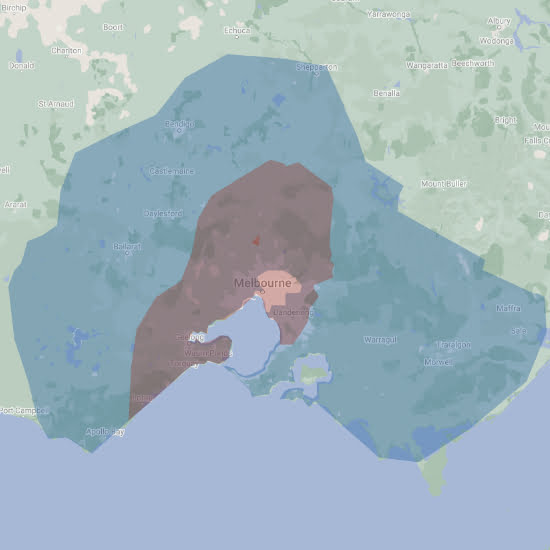
Don’t let the next Melbourne downpour ruin your peace and quiet. At Grayson’s, we specialise in professional and thorough gutter cleaning and maintenance across the city, addressing the very root causes of downpipe blockages. We ensure your gutters are clear, and your downpipes are free-flowing.
Contact Grayson’s today to schedule your professional gutter cleaning service 1300 GRAYSONS (1300472976)